How do you keep weight off after a GLP-1 program?
The National Weight Control Registry — which tracks people who have lost significant weight and kept it off for over a year — shows that maintenance is a set of measurable behaviors, not willpower. The people who succeed average 2,545 kcal/week of activity (women) and 3,293 kcal/week (men), eat 1,381-1,800 calories daily with fat under 24%, weigh themselves regularly, and correct slips within days. Most people who read this are comparing weight loss injections options around Abilene, TX, so what follows sticks to the details that change in practice.
The five behaviors that predict maintenance
| Behavior | Registry target | Why it works |
|---|---|---|
| Physical activity | 2,545 kcal/wk (women) · 3,293 kcal/wk (men) — ~60 min moderate daily, 7 days/wk | Upregulates UCP1, preserves muscle, keeps BMR elevated |
| Nutritional density | 1,381-1,800 kcal/day; fat ≤ 24%; whole, minimally processed foods | Minimizes passive overeating; ultra-processing disrupts appetite hormones |
| Meal consistency | 78% eat breakfast daily; 59% keep weekends identical | Weekend consistency = 1.5x more likely to maintain |
| Self-monitoring | 44% weigh daily; 31% weekly; log food ~3x/day | The scale is biofeedback — immediate correction of minor slips |
| Slip correction | Intervene immediately at 1-2 kg gain | Past that window, only 11% of dieters ever recover |
The 1-2 kg rule is the most important number
Weight maintenance isn't about never slipping — it's about catching slips inside the 1-2 kg window where correction still works. Successful maintainers treat a small gain as data and adjust immediately: a lighter week of eating, extra steps, and back to baseline. Waiting until the gain is visible in your clothes is waiting too long.
The short version
- The National Weight Control Registry tracks people who lost significant weight and kept it off for over a year, and finds maintenance is a set of measurable behaviors rather than willpower.
- Successful maintainers average 2,545 kcal per week of activity for women and 3,293 kcal per week for men, roughly 60 minutes of moderate exercise daily.
- Registry maintainers eat 1,381-1,800 calories per day with fat kept under 24% and rely on whole, minimally processed foods to limit passive overeating.
- Seventy-eight percent eat breakfast daily and 59% keep weekends identical to weekdays, and weekend consistency makes maintenance about 1.5 times more likely.
- Forty-four percent weigh themselves daily and 31% weekly, logging food roughly three times a day to use the scale as biofeedback.
- Successful maintainers intervene immediately at a 1-2 kg gain, because past that window only 11% of dieters ever recover the loss.
Abilene maintenance support
Long-term success in Abilene looks like a provider who stays with you after the weight is off — regular follow-ups, dose tapering, and a maintenance plan built on these exact behaviors. Our matched West Texas / Taylor County providers offer ongoing monitoring so the 1-2 kg rule has a professional watching it with you.
Find Abilene GLP-1 providers with long-term maintenance programs — free matching at abilene-medical-weight-loss.pages.dev.

Visual Guide

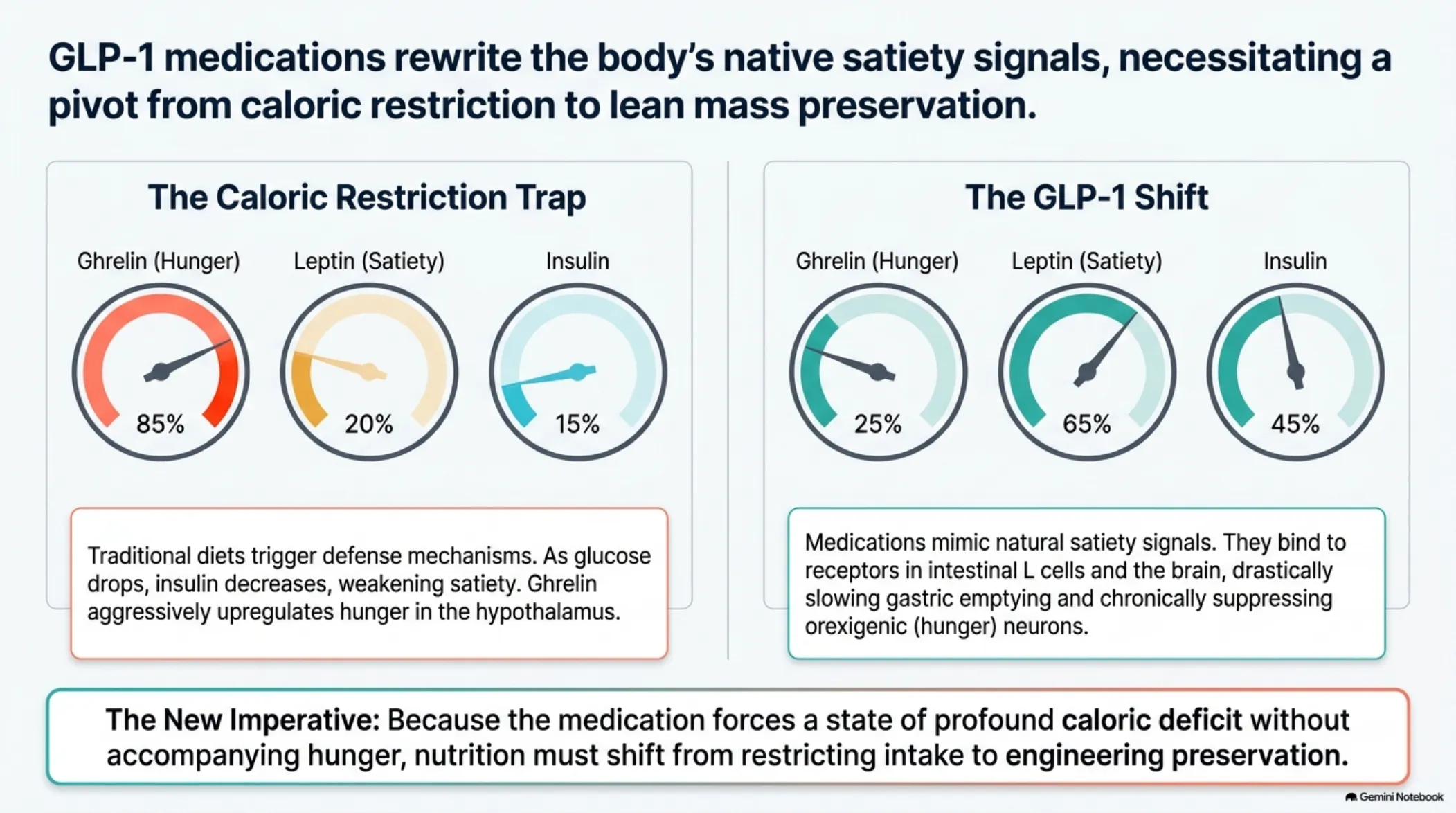
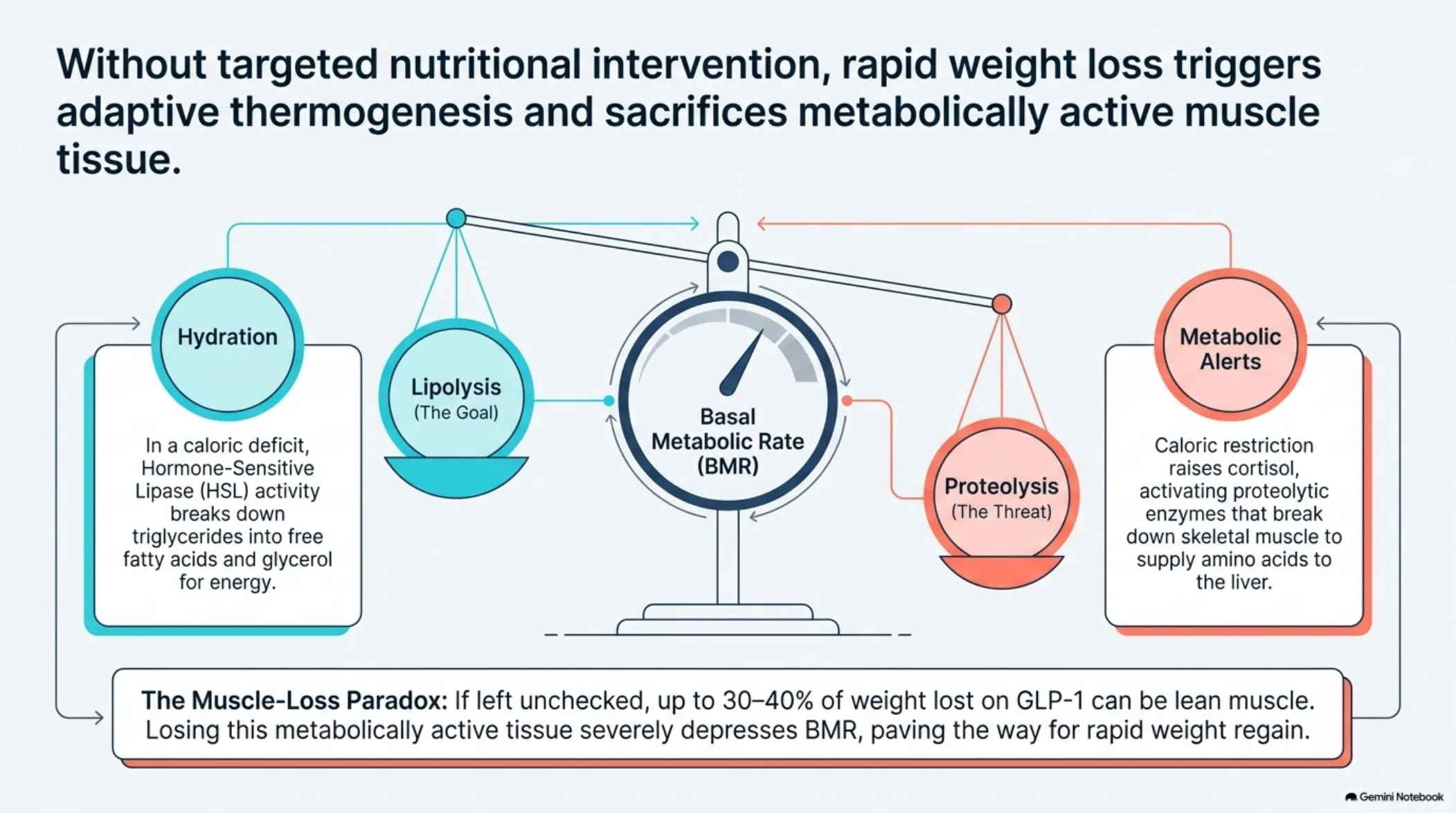
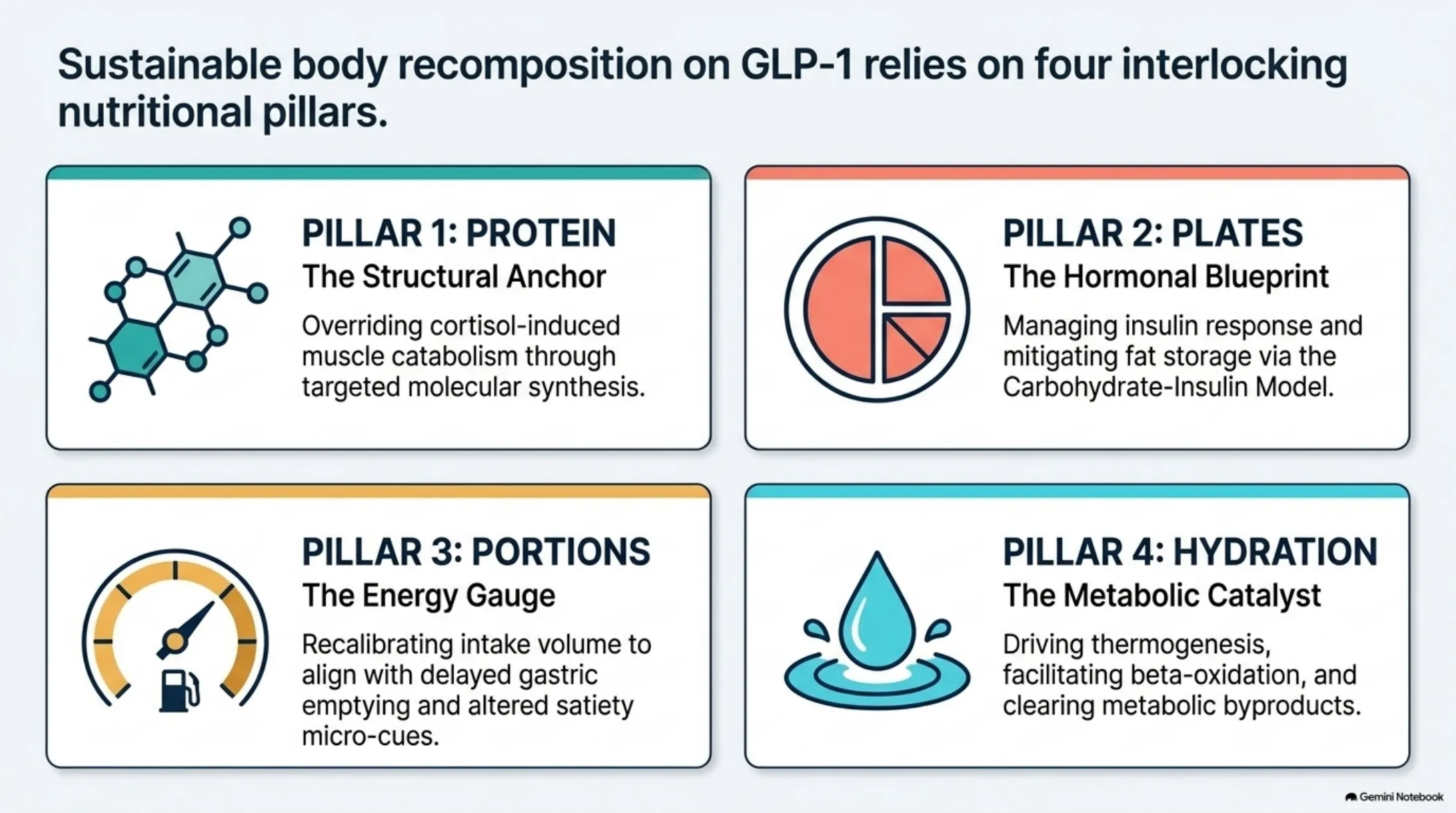
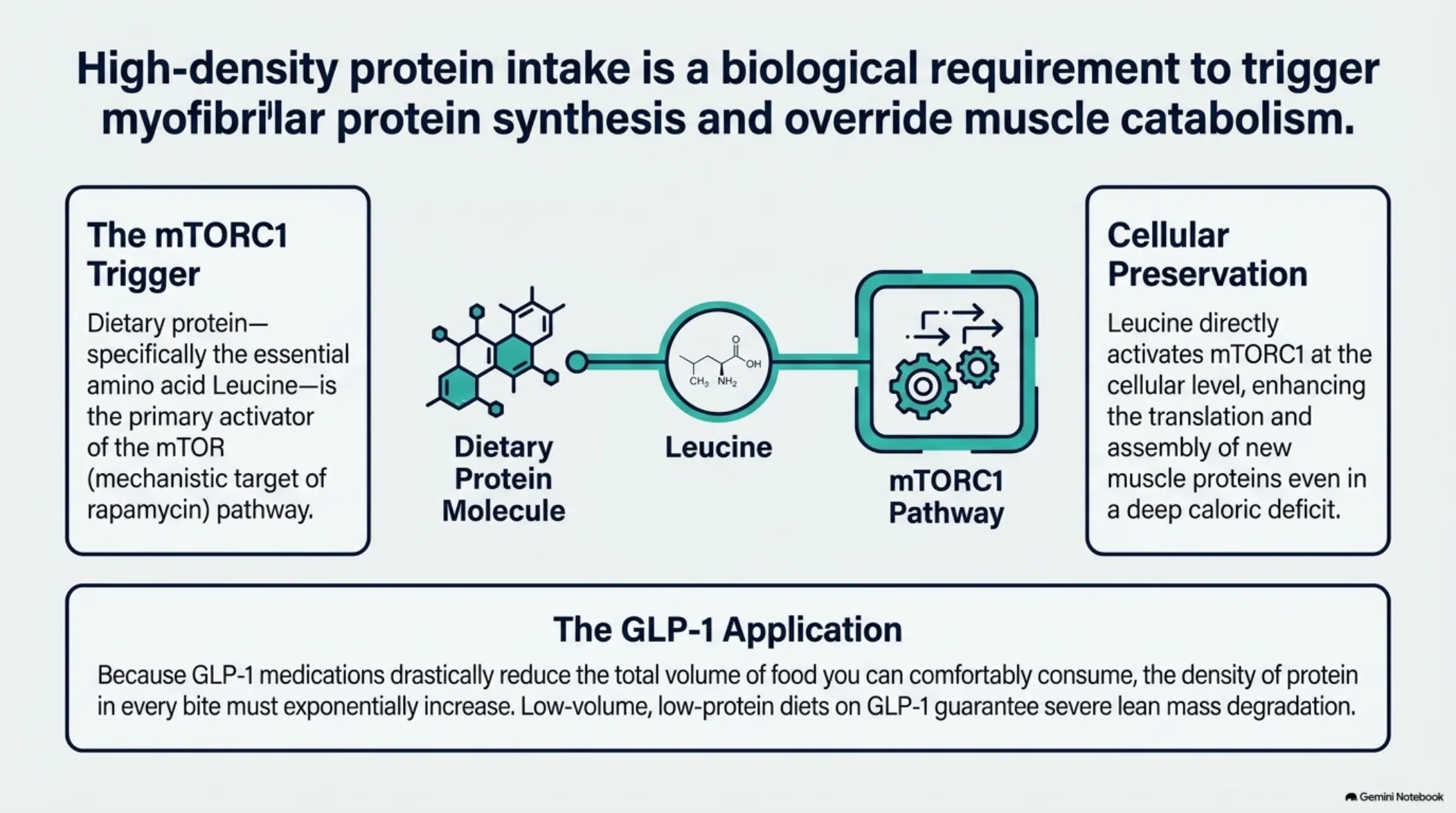
- The Architecture of Weight Loss Nutrition on GLP-1 Optimizing Plates, Portions, Protein, and Hydration for Sustainable Body Recomposition.